Source: Images from the Internet, if there is any infringement, please contact the removal of
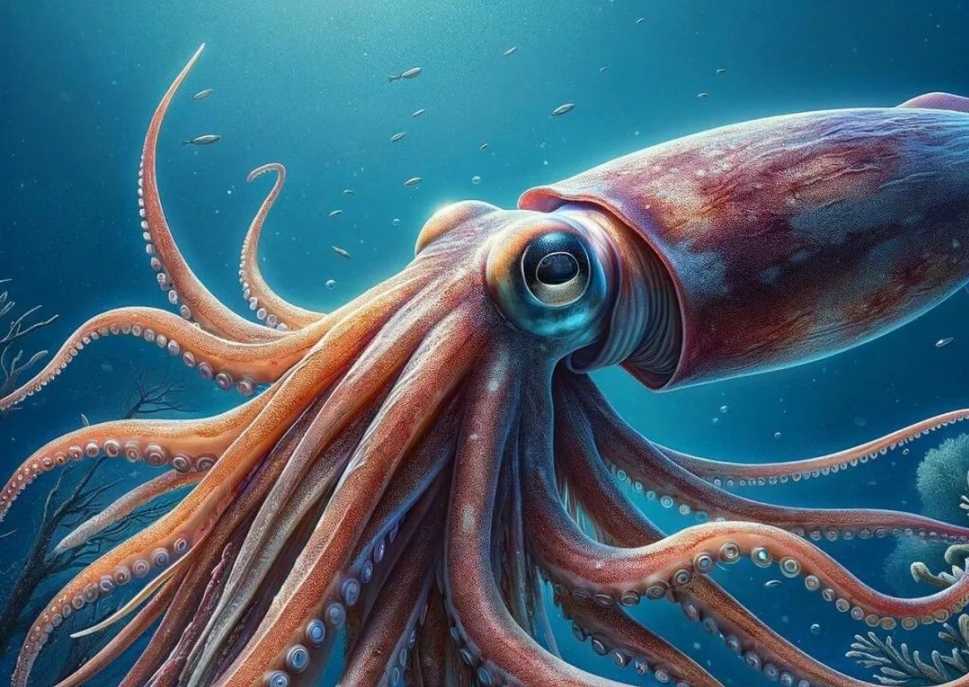
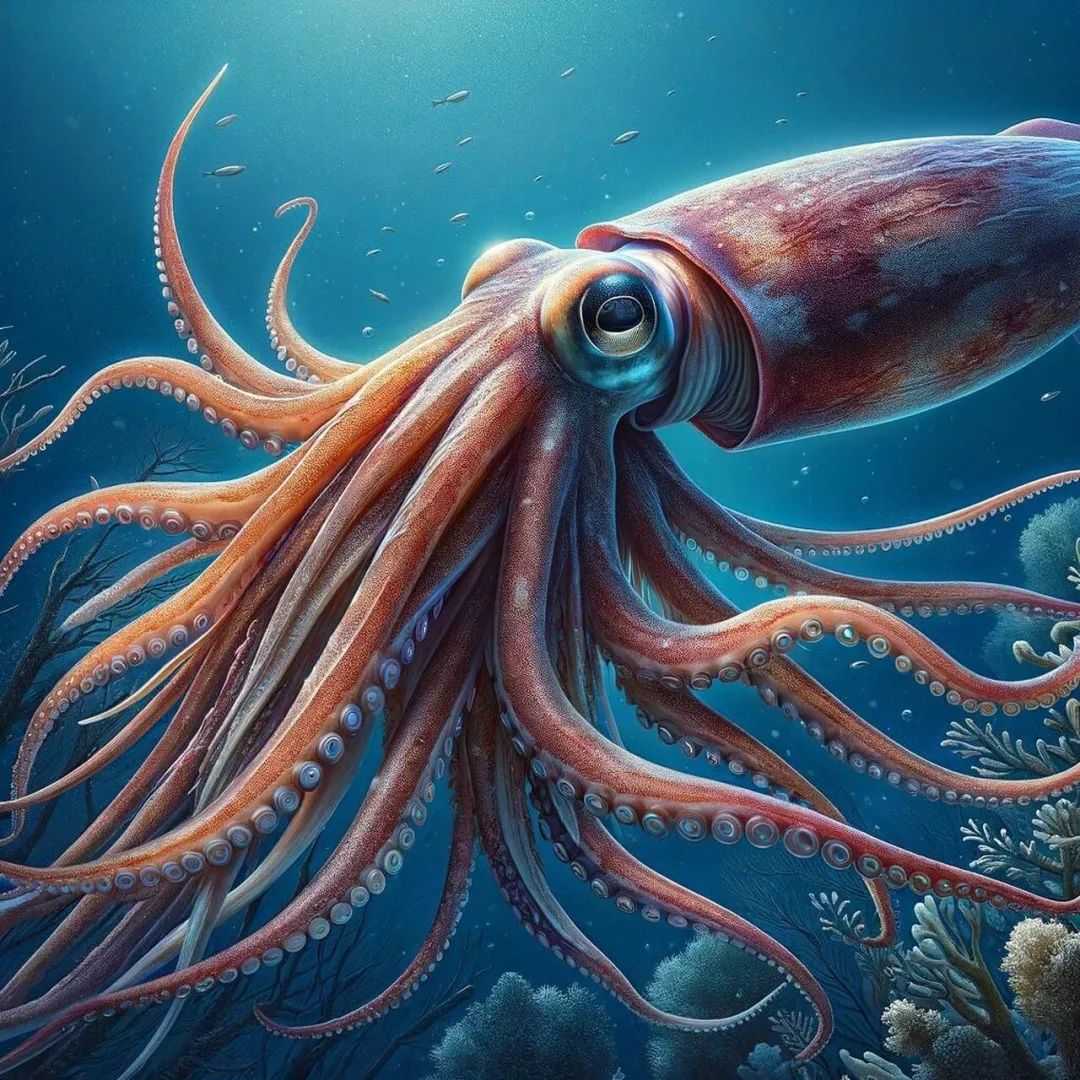
The giant squid’s physiology is a marvel of deep-sea adaptation. Its massive, torpedo-shaped body is dominated by ten powerful tentacles lined with hundreds of suction cups, some equipped with sharp, rotating hooks. These appendages can strike with lightning speed, ensnaring prey like deep-sea fish and smaller squid in an unescapable grip. Its parrot-like beak, hidden at the center of its tentacles, can crush shells and bones with incredible force, making it one of the ocean’s most fearsome predators.
For decades, the giant squid remained a mystery, glimpsed only in rare encounters with fishermen or as accidental bycatch. Modern technology, however, has begun to unravel its secrets. Remote-controlled submarines and underwater cameras have captured footage of these creatures in their natural habitat, revealing a surprisingly agile swimmer propelled by a muscular mantle. While still shrouded in intrigue, the giant squid’s role in marine ecosystems—as both predator and prey to sperm whales—highlights its importance in the ocean’s food web. As scientific research continues, the line between myth and reality blurs, but the giant squid’s status as a symbol of the ocean’s uncharted mysteries remains unchallenged.
-------- END --------